

Exploring the landscape of auto insurance can often seem intimidating. With the variety of options offered, comprehending the nuances of your car insurance policy is essential for guaranteeing you have the suitable coverage that satisfies your requirements. Whether you are a novice driver or a seasoned on the road, knowledge with key terminology and coverages can assist protect you in the event of an accident or unexpected circumstance.
In this article, we will analyze the elements of auto insurance plans and elucidate what each term means. By simplifying the jargon often associated with car insurance, we aim to enable you to make informed decisions when choosing your coverage. With the appropriate knowledge, you can assuredly select a policy that not only meets legal requirements but also provides the reassurance you deserve while driving.
Types of Auto Insurance
When it comes to car insurance, knowing the different types available is crucial for selecting the right coverage for your needs. The most common type is liability insurance, which provides coverage for damages to third parties and their property if you are responsible in an accident. This is often required by law and generally includes both bodily injury and property damage coverage. Liability insurance guarantees that you can meet legal requirements and safeguard your financial interests in case of an accident.
Another important type of auto insurance is collision coverage, which helps cover repairs to your own vehicle after an accident, no matter who is at fault. This coverage is especially beneficial for those with newer or more valuable cars, as it can save you a significant amount of money in repair costs. Additionally, comprehensive coverage covers against non-collision-related incidents, such as theft, vandalism, or natural disasters. This type of coverage can give you peace of mind realizing that your vehicle is protected from a variety of risks.
Knowing these types of coverage can help you take informed decisions when choosing an auto insurance policy. Many drivers choose a combination of liability, collision, and comprehensive coverage to ensure they have a well-rounded protection plan. It's essential to evaluate your circumstances, such as the value of your car and your budget, to choose the right types of auto insurance that suit your lifestyle and financial situation.
Key Coverage Terms
Comprehending auto insurance necessitates acquaintance with several key coverage terms that impact your insurance policy. One of the key is liability coverage, which shields you if you're responsible for causing an accident that injures others or damages their property. This coverage typically includes dual components: bodily injury liability and property damage liability. Understanding these terms assists you determine the appropriate limits for your policy based on your financial responsibilities.
Another critical term is collision coverage. This type of insurance aids pay for the repair or replacement of your vehicle after an accident, irrespective of who is at fault. It's particularly valuable for modern or high-value cars, as it ensures you won't face significant financial loss due to damages from accidents. Understanding collision coverage can assist you determine if it's necessary for your specific situation and budget.
Comprehensive coverage is yet another essential term to grasp. This coverage safeguards your vehicle against non-collision related incidents, such as theft, vandalism, or natural disasters. It bridges the gaps that collision insurance does not cover, ensuring you have broader protection. Understanding the difference between collision and comprehensive coverage is essential in creating a well-rounded auto insurance policy that fits your needs.
Aspects Shaping Premiums
Multiple key factors impact the expense of car insurance, with driving record is one of the most important considerations. Insurers evaluate your record for any accidents or road violations, that can reflect how safe you are as a driver. A positive driving history usually results in reduced premiums, whereas collisions or speeding tickets can result in elevated costs. Insurers may also factor in how long you have been driving, with experienced drivers usually enjoying lower rates.
A major factor is the category of vehicle you drive. Cars that are more expensive to fix tend to come with increased premiums. Moreover, vehicles with advanced safety features may qualify for discounts, whereas those considered high-risk or at greater risk to be stolen can hike your rates. The age, make, model, and overall safety performance of your vehicle are all considered when calculating your premiums.
Location has a crucial role in establishing car insurance costs also. Areas with increased rates of accidents, theft, or vandalism can cause increased premiums. Insurers examine regional data to evaluate risk levels, so drivers in urban areas may pay more than those in less populated settings. Recognizing how geography influences your auto insurance can aid you anticipate potential costs and make informed decisions about your coverage.
Frequent Limitations
When assessing your auto insurance policy, it's essential to be mindful of frequent exclusions that may impact your coverage. One of the key exclusions is loss caused by non-accident events, such as natural disasters. Although your car may be protected against accidents, many policies may not cover damages related to floods, earthquakes, or acts of God. This can leave policyholders exposed if they live in areas prone to such events.
Another major exclusion involves the use of the vehicle. Most auto insurance policies do not cover damages that occur while you are operating the car for ride-sharing services or business purposes unless you have specifically selected a business-use or ride-share endorsement. If you engage in such activities without the appropriate coverage, you could face substantial out-of-pocket expenses in the event of an accident.
Additionally, operating a vehicle under the influence is a usual exclusion that can invalidate your coverage entirely. If you are found to be under the influence at the time of an accident, your insurer may refuse to pay for damages and injuries, leaving you to cover the costs. It's essential to understand these exclusions to ensure you have appropriate protection and to purchase supplementary coverage if necessary.
Submitting a Insurance Claim
Submitting a insurance claim with your auto insurance provider can seem daunting, but knowing the procedures can significantly simplify your experience. Begin by collecting all essential information regarding the incident, including the time and date, time, location, and information of any involved individuals. Collect any records you have, such as photos of the loss, police reports, or testimonies, as these will back up your case and provide background for your insurance company.
Once you have all your information ready, contact your insurer to initiate the claims process. Most companies provide various ways to file a claim, including online submission, telephone notifications, or mobile apps. Be prepared to provide the information you collected, and be truthful about the circumstances surrounding the accident. The claims adjuster will assist you through the specifics of what is required for your case.
After submitting, your insurance company will review the claim and assess the damages. They may reach out to you for additional information or to clarify details. Maintain an open line of communication open and reply promptly to any inquiries. Once your request is approved, you will be informed about the next steps, including how payments will be handled for repairs or medical expenses. It is essential to stay engaged throughout the process to ensure a smooth resolution.
Tips for Choosing a Policy
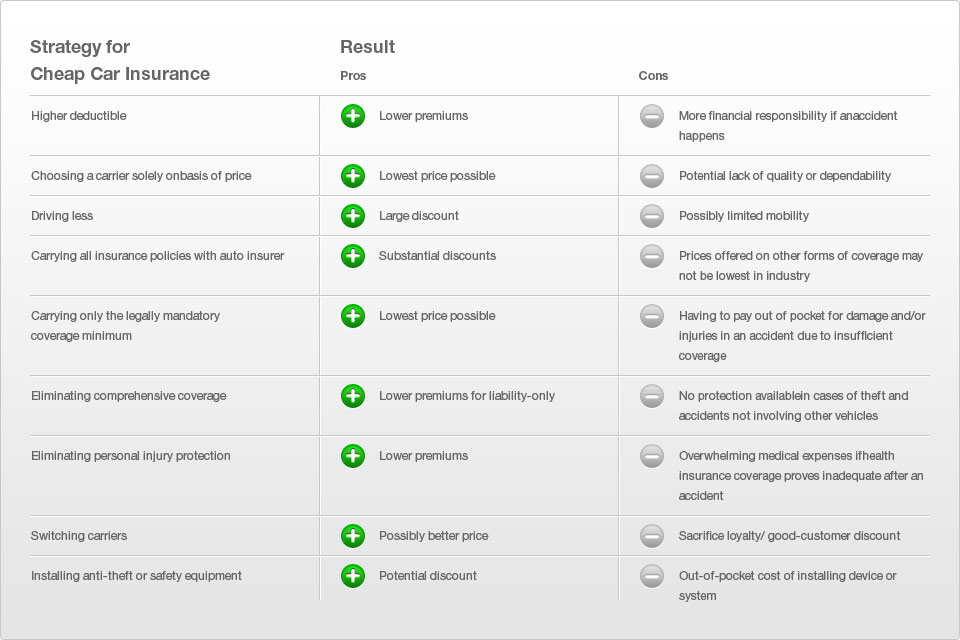
As you choosing an auto insurance policy, first analyzing your needs. Take into account variables including your driving habits, the age and value of your vehicle, and how often you drive it. Should you own a newer or more valuable car, comprehensive coverage might be advisable to shield your investment. Alternatively, if your vehicle is older, you may consider focus on essential liability coverage to save on premiums.
It's crucial to compare quotes from several insurance providers. Different companies offer diverse rates for similar coverage, and shopping around can reveal opportunities for savings. Don’t just look at just the premium price; take into account the deductibles, limits of coverage, and the reputation of the insurer. Looking into Car insurance quotes and ratings can provide insight into their reliability and claims process.
In conclusion, do not hesitate to ask for discounts. Numerous insurers offer discounts for safe driving records, bundling multiple policies, or even for being a good student. Check on any programs that may apply to you, and ensure you take advantage of them. Understanding your potential discounts can considerably decrease your overall costs while providing you have proper protection on the road.