

Auto coverage can often feel as if a complicated tangle, leaving many motorists confounded by the myriad of options and terminology. Regardless of whether you are a inexperienced buyer or looking to switch providers, understanding the ins and outs of auto insurance is vital for shielding yourself and your vehicle on the road. This guide is designed to help you navigate the intricacies of car insurance, rendering the process smoother and more approachable.
With many plans, insurance options, and costs available, it's important to arm yourself with the knowledge needed to make smart decisions. From liability coverage to accident and comprehensive options, knowing what the terminology means and how it applies to your circumstances can save you time and money. By analyzing the essential aspects of car insurance, this guide will allow you to find the perfect policy customized to your needs.
Understanding Vehicle Insurance Essentials
Car insurance is a contract between you and an insurance company that offers monetary security in the event of an incident, theft, or damage to your vehicle. By paying a payment, you are insured for specific costs associated with automotive mishaps. Comprehending the basics of car insurance is vital for picking the right policy and ensuring you have adequate protection for your needs.
There are various types of protection within car insurance, including liability coverage, accident coverage, and all-encompassing coverage. Liability insurance helps pay for losses to others and their possessions if you are at blame in an accident. Collision insurance addresses damage to your own car after an incident, while comprehensive insurance defends against incidents not involving a collision like robbery or calamities. Being aware of the differences between these types can help you formulate informed decisions.
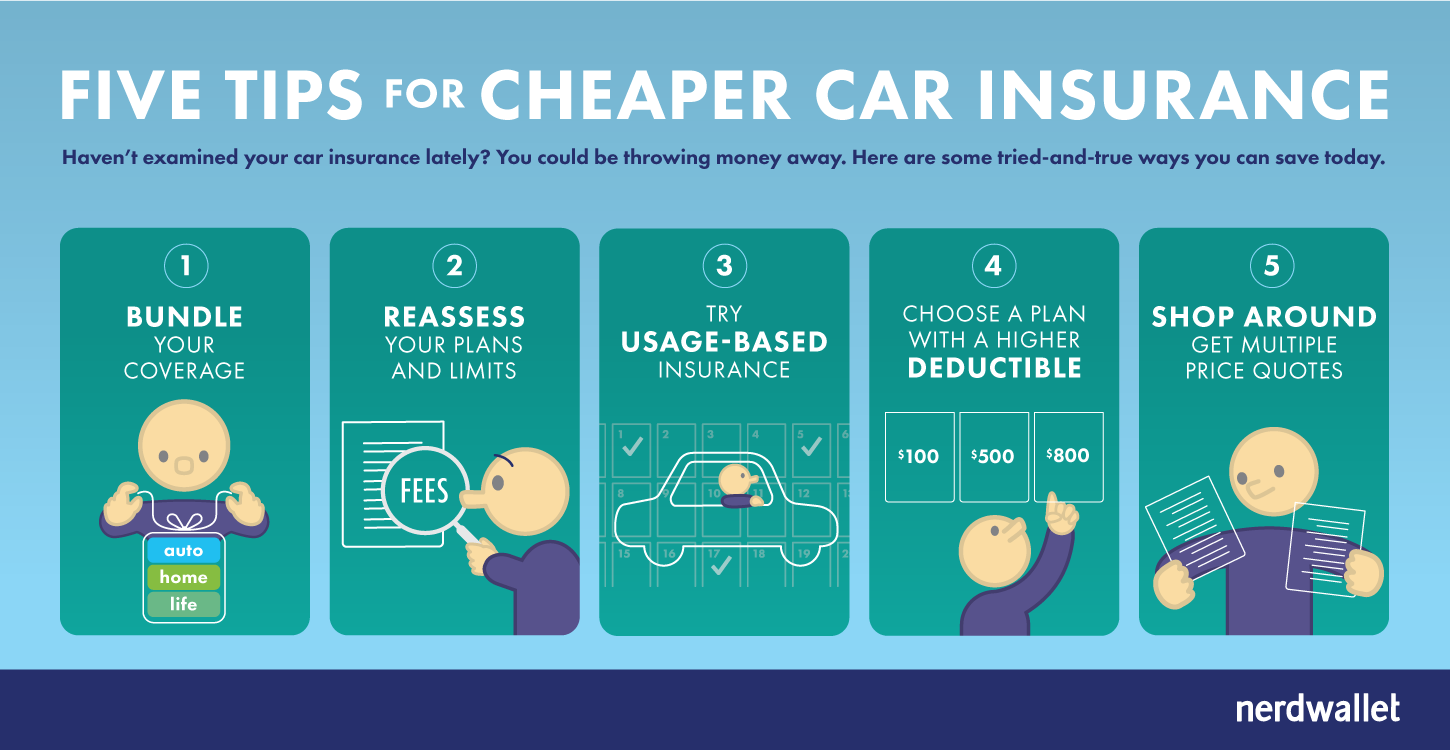
When selecting a car insurance agreement, it is crucial to evaluate factors like policy limits, deductibles, and savings. Increased coverage limits may provide greater protection but could result in higher costs. Out-of-pocket expenses are the sum you contribute before the policy activates, and choosing a larger deductible can decrease your premium. cheapest car insurance near me provide savings for safe driving records, combined plans, or minimal driving, which can further lower your overall costs.
Types of Auto Insurance Coverage
When considering car insurance, it's essential to know the different types of coverage available. The most prevalent form is liability coverage, which is commonly required by law. This coverage shields you if you are found to be at fault in an accident, covering bodily injuries and property damage to others. It is vital to have sufficient liability limits to safeguard your property in case of a significant claim.
Furthermore, essential type of coverage is collision coverage. This pays for the repairs to your vehicle after an accident, regardless of who caused it. If your car is damaged in a collision, you can make a claim under this coverage to return to driving faster. While not mandatory, collision insurance is wise for drivers with more recent or luxury vehicles who want to protect their investment.
Comprehensive coverage is also a crucial part of auto insurance coverage. It protects against non-collision incidents, such as theft, vandalism, or natural disasters. This type of insurance makes sure you're covered for damages not caused by a collision, granting peace of mind for unexpected events. Combining comprehensive with liability and collision creates a well-rounded insurance plan that protects you and your vehicle on the road.
Tips for Selecting the Right Policy
When choosing a car insurance policy, it is important to assess your coverage needs based on your habits on the road, the kind of car you have, and your available funds. Factor in factors such as if you drive your car frequently, how often you encounter challenging conditions, and the age and value of your vehicle. Customizing your policy to suit these considerations will help you avoid paying for extra coverage while guaranteeing you are adequately protected.
It is also important to evaluate different insurance companies and their policies. Make an effort to look into various providers to grasp their standing, client reviews, and claim handling. Many platforms allow you to obtain prices from multiple providers, making the process of evaluation easier. Look for savings that may apply, including clean driving history or combining auto insurance with other insurance plans. Each company has its individual strengths, so shop around to find the most suitable option for your needs.
Ultimately, always review the fine print of the policy you are evaluating. Knowing the conditions, rules, and restrictions is crucial to ensure you know what is protected and what is not included. Be mindful of the deductibles, limits, and any supplemental coverages that may be necessary for your specific circumstances. Taking the time to thoroughly analyze the policy information will help avoid unforeseen costs down the road and provide comfort while in your vehicle.