

Finding the best auto insurance can sometimes feel challenging, particularly with so many options available. As a car owner, understanding your insurance needs is vital not only for your peace of mind but also for your monetary safety on the road. Whether you are a beginner driver or have been behind the wheel for a long time, choosing the best car insurance policy that satisfies your way of life and financial plan is a decision you ought not to take without consideration.
Auto insurance provides you with protection against a variety of risks related to driving, including accidents, theft, and liability for damage to other people's vehicles. With various types of coverage and varying policy limits, it is important to evaluate your individual needs and preferences. By spending the time to meticulously evaluate your options, you can ensure that you are sufficiently covered without overpaying for unnecessary features.
Grasping Auto Coverage Fundamentals
Vehicle coverage is a contract between a policyholder and an insurer that gives financial protection against losses related to vehicle ownership. When you purchase vehicle insurance, you consent to pay a cost in exchange for protection that aids protect you against different risks, including incidents, burglary, and damage. The policy outlines the obligations of both entities and the terms under which claims can be submitted.
There are many types of auto insurance available to vehicle owners, including liability coverage, collision coverage, and comprehensive coverage. Liability insurance is required in many regions and covers expenses associated with losses to third parties or property if you are responsible in an collision. Impact coverage assists cover loss to your own after a crash, while all-perils insurance protects against non-collision incidents such as stealing or natural disasters. Grasping these options is essential to selecting a plan that suits your needs.
Factors influencing your auto insurance premiums include your past driving behavior, the kind of automobile you drive, your credit rating, and the level of coverage you select. Providers evaluate these factors to determine the risk level they will assume when offering you insurance. It is important to frequently examine your policy and evaluate different companies to verify you are getting the greatest benefit and coverage for your money.
Evaluating Personal Insurance Needs
Comprehending one's individual insurance needs is crucial in deciding on the appropriate auto insurance policy. Start by evaluating the vehicle's value, which plays a significant role in deciding the extent of coverage required. In case you own a recent or luxury car, you may wish to consider comprehensive and collision coverage to protect your investment. Conversely, if you have an aged vehicle, you may opt for liability coverage only, as it can be relatively economical.
Next, consider your driving habits and personal risk factors. If you frequently drive in crowded urban areas or engage in long commutes, you may face a greater risk of accidents, thereby necessitating a comprehensive coverage plan. Additionally, assess your financial situation and how much you can afford as a deductible in the case of a claim. A higher deductible usually means lower premiums, but it is crucial to make sure that you can readily pay it should the necessity arise.
Finally, don't forget to factor in any legal requirements specific to your state. Several states enforce a basic amount of liability coverage, but it is often advisable to opt for increased limits to protect yourself against likely lawsuits stemming from accidents. By diligently evaluating these factors, you can make well-informed decisions that suit your particular coverage needs and financial circumstances.
Comparing Car Insurance Providers
As you seeking the right auto insurance, it is important to evaluate multiple insurance providers. All company offers different coverage options, premium rates, and customer service experiences. Begin by acquiring quotes from various providers to find a selection of prices for similar coverage. best car insurance near me will help you determine the average cost and pinpoint any anomalies that may offer remarkable value or high charges.
Next, assess the coverage options offered through every insurer. Every policy is designed equal; while one provider may offer inclusive coverage at a fair price, another might lack essential features. Seek extra benefits, like roadside assistance, rental car reimbursement, or accident forgiveness. Comprehending what all provider offers in their policies can greatly impact your decision.
In conclusion, take into account the reputation and customer service of the insurance providers you are evaluating. Research online reviews, ratings from independent agencies, and feedback from family. A company with a robust support system can make a substantial difference when you have to file a claim or have concerns about your policy. Prioritizing both cost and quality will guarantee that you pick an insurance provider that satisfies your needs effectively.
Evaluating Reductions and Premiums
When picking car insurance, it's crucial to assess the numerous discounts available that can substantially diminish your premiums. Many insurance firms offer discounts for responsible driving records, low mileage, several policy holders, and even for being a participant of specific organizations or associations. Be sure to check about any discounts you may be eligible for, as these can lower your overall insurance cost and make your policy more affordable.
Evaluating premiums from multiple insurers is a necessary step in finding the ideal auto insurance for your situation. Each company uses its own standards to assess risk and determine policy rates, meaning that premiums can differ widely between providers. Obtain quotes from multiple insurers and compare what coverage options and limits are included in each policy. This way, you can confirm that you are getting the optimal value for your premium.
Finally, consider how premium rates can shift over time. Factors such as changes in your driving habits, credit score, or even the claims history of your insured vehicle can affect your premiums. Consistently reviewing your policy and shopping around for improved rates can help you remain updated and ensure you're not paying too much than necessary for your auto insurance. Keeping these aspects in mind will help you make a better informed decision that fits with your budget and coverage needs.
Reviewing the Fine Print
While picking auto insurance, it is essential to pay careful attention to the fine print of your policy. This section features vital details regarding limitations on coverage, limitations, and particular terms that could significantly affect your ability to file claims. Many customers overlook these details, assuming that their coverage is more inclusive than it may actually be. Make an effort to take the time to read through this information diligently to ensure you are fully aware of what is included and what is excluded.
Another crucial element to examine is the terms under which your policy will honor claims. Some policies may have particular requirements for filing a claim or may limit coverage based on particular circumstances. Understanding these conditions will help you dodge surprises in the unlucky event of an accident. Be certain you know the time frame for reporting incidents, the papers required, and any further stipulations that might come into play when seeking coverage.
Finally, be wary of the terminology used in the fine print. Insurance documents often include technical terms that may not be well-known to everyone. If you find specific terms confusing, do not hesitate to ask your insurance agent for explanation. Knowing exactly what each term signifies can help you make an informed decision and guarantee that you select the auto insurance policy that is most appropriate for your needs and provides you with appropriate protection.
Completing Your Policy Choice
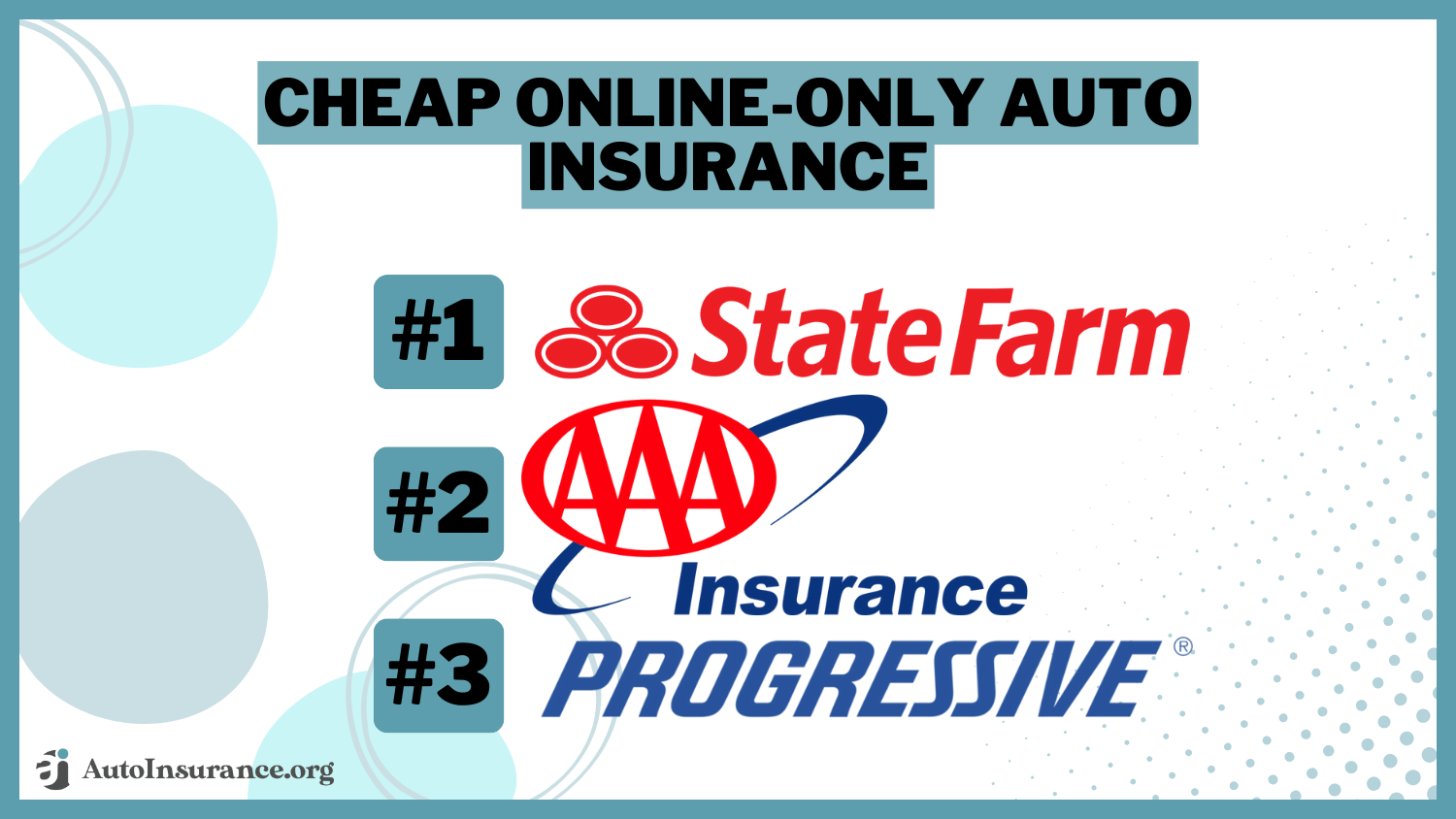
When you have obtained quotes and contrasted coverage options, it is the moment to make a conclusive decision regarding your auto insurance policy. Diligently assess each policy's details to verify that it meets your particular needs. Pay attention to important aspects such as deductibles, coverage limits, and any potential benefits or discounts that may be provided. This will help you consider your options efficiently and choose a policy that offers the best value for your situation.
Ahead of committing to a policy, consider reaching out to the insurance provider for any necessary clarifications or questions. Understanding the terms and conditions is vital, as this can impact your financial responsibilities in the event of an accident or claim. Further, check about the claims process and customer service reputation of the insurer to ensure a smooth experience when it counts most.
Following selecting your policy, take the time to assess your decision regularly. Life changes such as new cars, relocations, or changes in driving habits can modify your insurance needs. Frequently evaluating your auto insurance will help you remain adequately covered and may lead to potential savings if you identify better rates or coverage options in the market.